Survival Foods Medicinal Plants Perennial Foods Building

Medicinal Plants

Medicinal plants are species used for therapeutic effects rather than nutrition. Traditional healing systems preserved knowledge of which plants treated specific conditions and how to prepare them properly. Many have been validated in modern clinical trials, demonstrating effects comparable to pharmaceutical drugs at lower cost. This collection documents plants with documented clinical evidence or extensive historical use across multiple medical traditions.

All Medicinal Plants

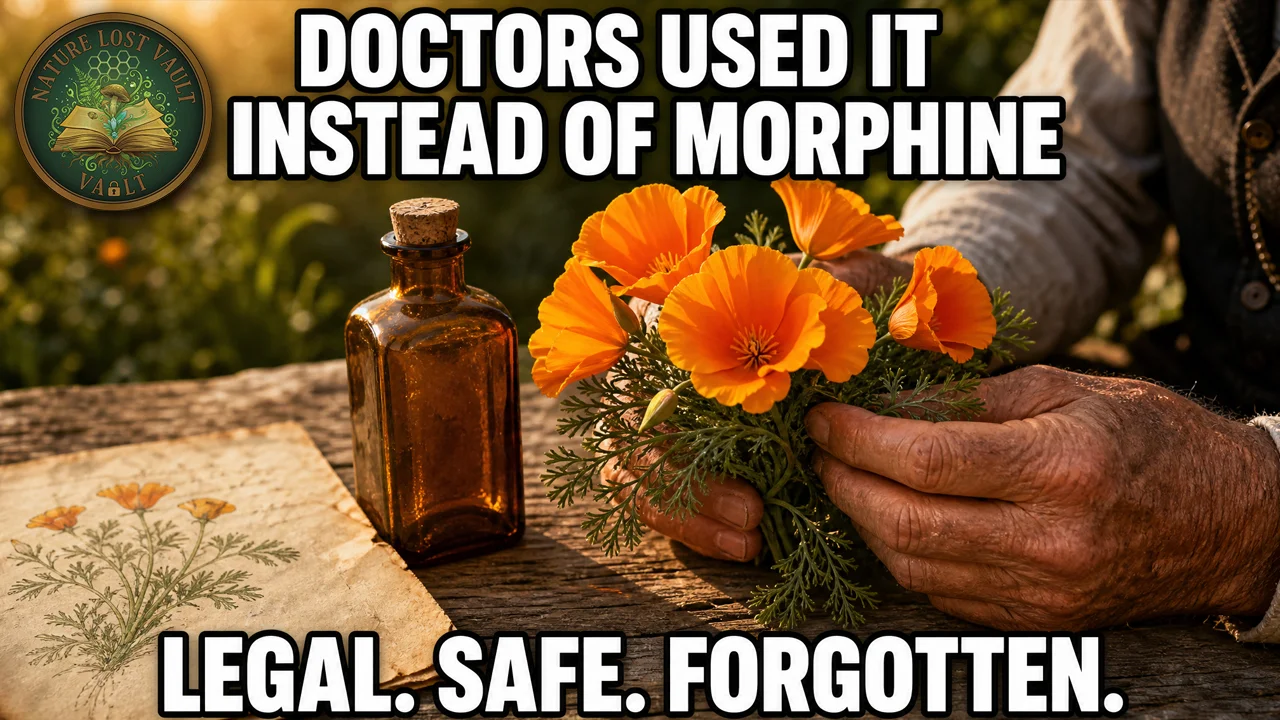
California poppy (Eschscholzia californica) - the non-addictive painkiller Parke-Davis sold in 1890 that the 1910 Flexner Report erased from American medicine
California Poppy

The Painkiller You Can Grow for Free. Sold in 1890, Gone by 1939. What Happened?

California poppy (Eschscholzia californica) is the orange wildflower in the opium-poppy family that carries no morphine - only GABA-active alkaloids. Parke-Davis sold it in 1890 as "an excellent soporific and analgesic, and above all, harmless." A 1991 Planta Medica study and a 2004 264-patient anxiety trial confirmed the activity. Health Canada permits it today as a mild sedative and chronic-pain aid.

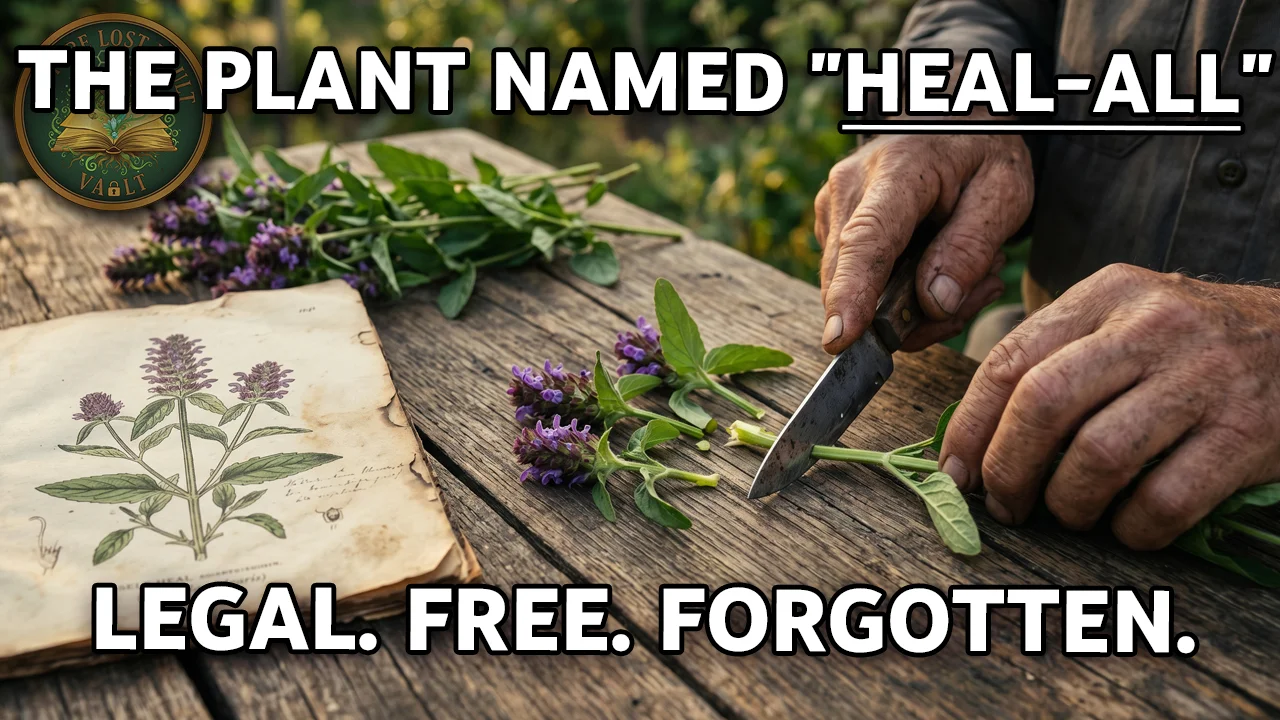
Self-heal (Prunella vulgaris) - the square-stemmed lawn weed John Gerard in 1597 called the best wound-herb in the world, that a 2004 study showed inhibits acyclovir-resistant herpes
Self-Heal

It Grows in Your Lawn. It Beats a Virus Drugs Can't. Why Were Doctors Taught to Ignore It?

Self-heal (Prunella vulgaris) is the lawn weed John Gerard in 1597 said was the best wound-herb in the world. Chinese pharmacies still sell it as Xia Ku Cao. A 2004 Journal of Ethnopharmacology study showed it inhibits herpes simplex - including the acyclovir-resistant strains the standard drug can no longer kill. The 1910 Flexner Report and the 1942 closure of the Eclectic Medical Institute of Cincinnati erased it from American medicine.
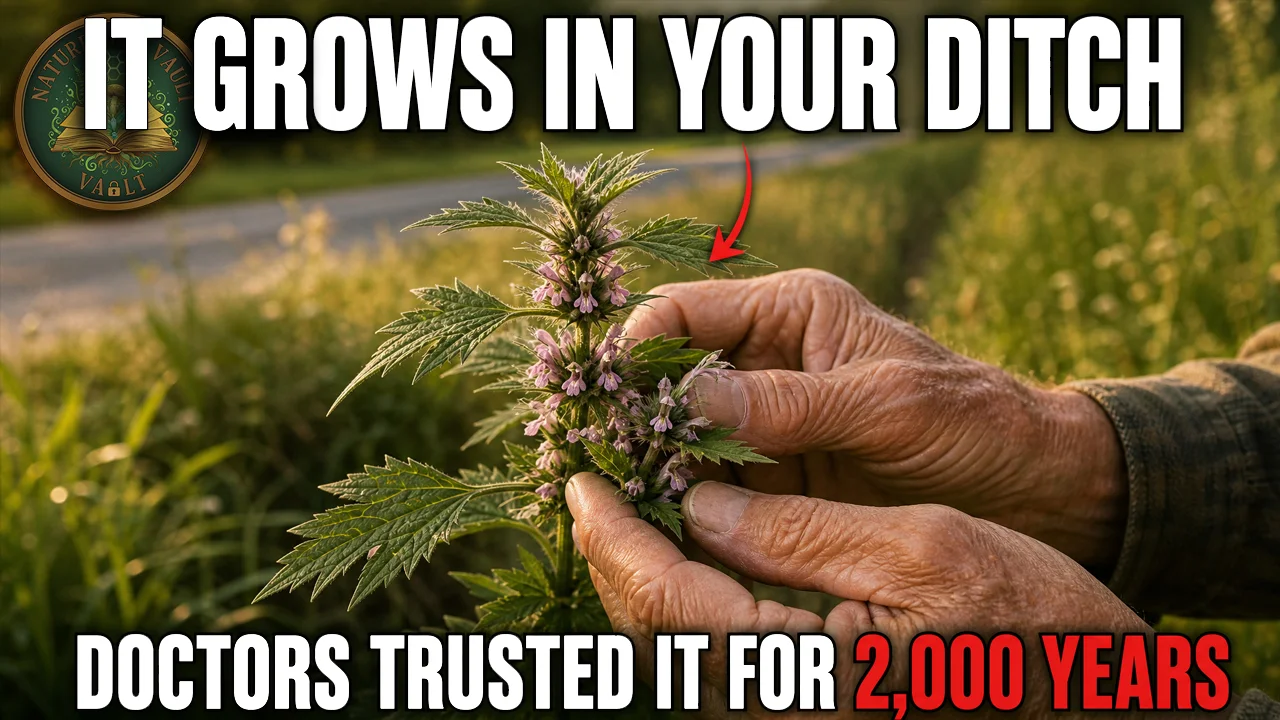
Motherwort (Leonurus cardiaca) - the 'of the heart' plant Linnaeus named in 1753, listed in the 1898 King's American Dispensatory, confirmed by 2011 clinical trial to calm blood pressure, anxiety, and insomnia
Motherwort

It Calmed the Nerves and Steadied the Pulse for 2,000 Years. So Why Can't You Buy It?

Motherwort (Leonurus cardiaca) is the square-stemmed mint Linnaeus named "of the heart" in 1753. Culpeper in 1653 said it made a "cheerful soul." The 1898 King's American Dispensatory listed it as a heart and nerve tonic - until Sydney Smith's 1930 digoxin and the 1910 Flexner Report erased it. A 2011 Phytotherapy Research clinical trial confirmed motherwort extract calms blood pressure, anxiety, and insomnia.

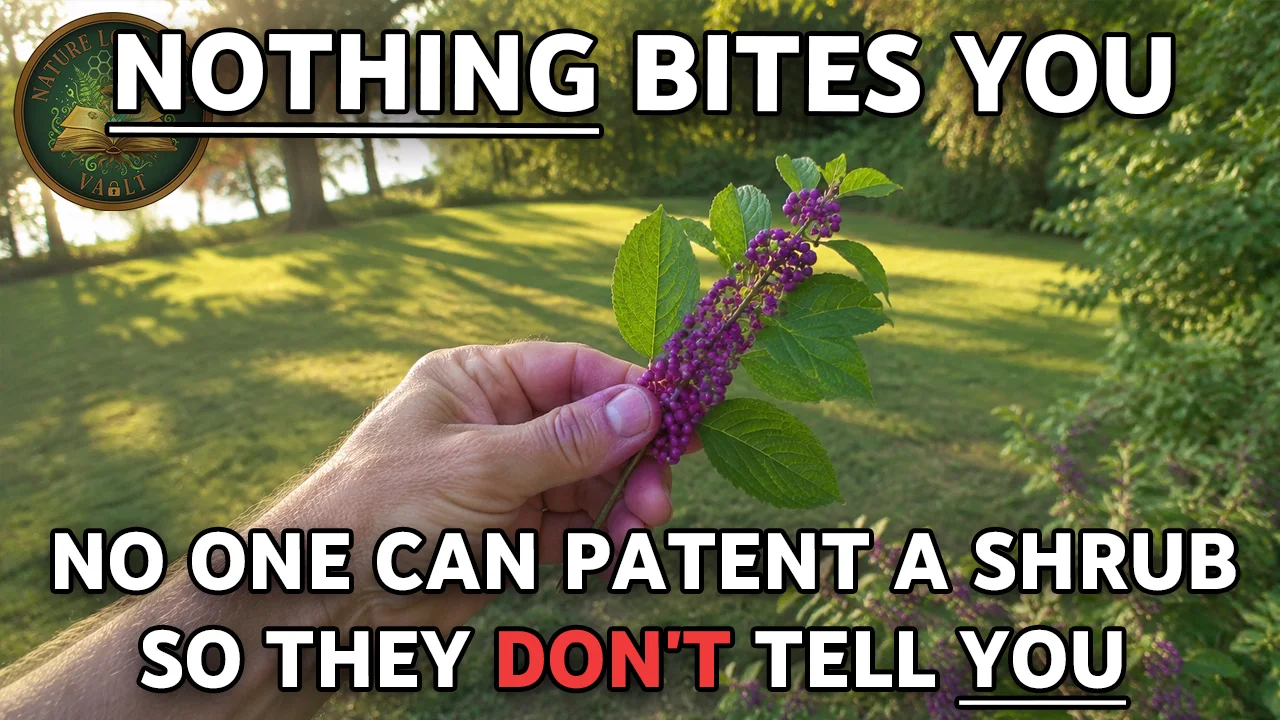
American beautyberry (Callicarpa americana) - the magenta-berried Southern shrub whose crushed leaves repel mosquitoes within 21% of DEET
American Beautyberry

This Plant Repels Mosquitoes Like DEET. Grows Wild Across the South. So Why Can't You Buy It?

American beautyberry (Callicarpa americana) is the wild Lamiaceae shrub Choctaw, Alabama, Creek, and Seminole healers used as a mosquito and tick repellent for centuries. The USDA screened 40,000 compounds to invent DEET. In 2006 their own Oxford, Mississippi lab isolated callicarpenal from beautyberry leaves and confirmed it performs within 21% of DEET against mosquitoes, ticks, and fire ants.

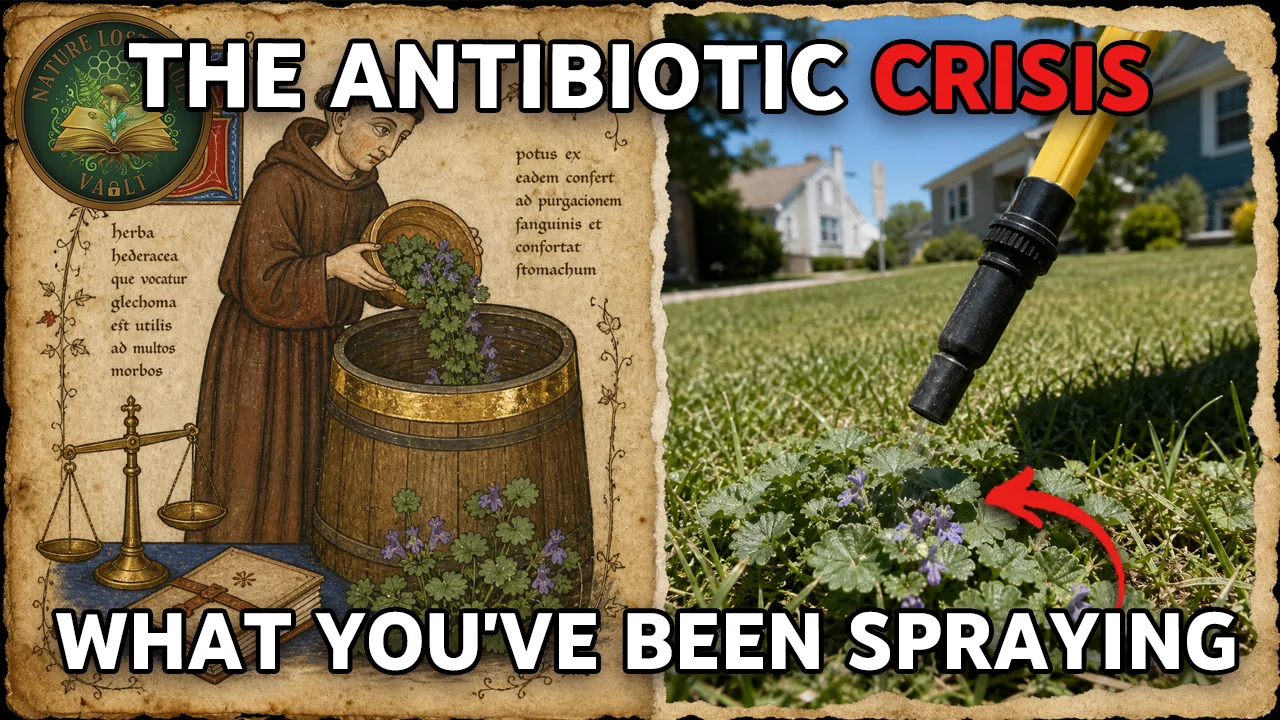
Ground ivy (Glechoma hederacea) - the Saxon alehoof that 2023 trials show suppresses MRSA
Ground Ivy

The Plant Americans Spray $2 Billion to Kill Is Doing What Antibiotics No Longer Can

Glechoma hederacea (creeping Charlie, alehoof) was the central herb of pre-hops European gruit ale until the 1516 Bavarian Reinheitsgebot legislated it out. Galen, Hildegard, and Gerard prescribed it for centuries. A 2023 lab and animal study showed its ursolic acid suppresses multi-drug-resistant Staphylococcus aureus and closes infected wounds in 10 days.

Boswellia serrata - the Indian frankincense tree that matched Vioxx in clinical trials
Boswellia

This Tree Matched Ibuprofen in 8 Trials. Why Did the FDA Swap It for Their Deadliest Mistake?

Boswellia serrata is the Indian frankincense Sushruta prescribed for arthritis around 600 BCE. Its boswellic acids inhibit 5-lipoxygenase, a different inflammatory pathway than NSAIDs. 2003 Kimmatkar crossover trial: 100% pain reduction. 2007 Sontakke 180-day trial: matched valdecoxib. Meanwhile Vioxx caused up to 139,000 US heart attacks before its 2004 withdrawal.