Survival Foods Medicinal Plants Perennial Foods Building

Rediscover the Forgotten Powers of Nature

We explore ancient growing methods, rare plants with hidden uses, and the ecological secrets that once shaped human survival.

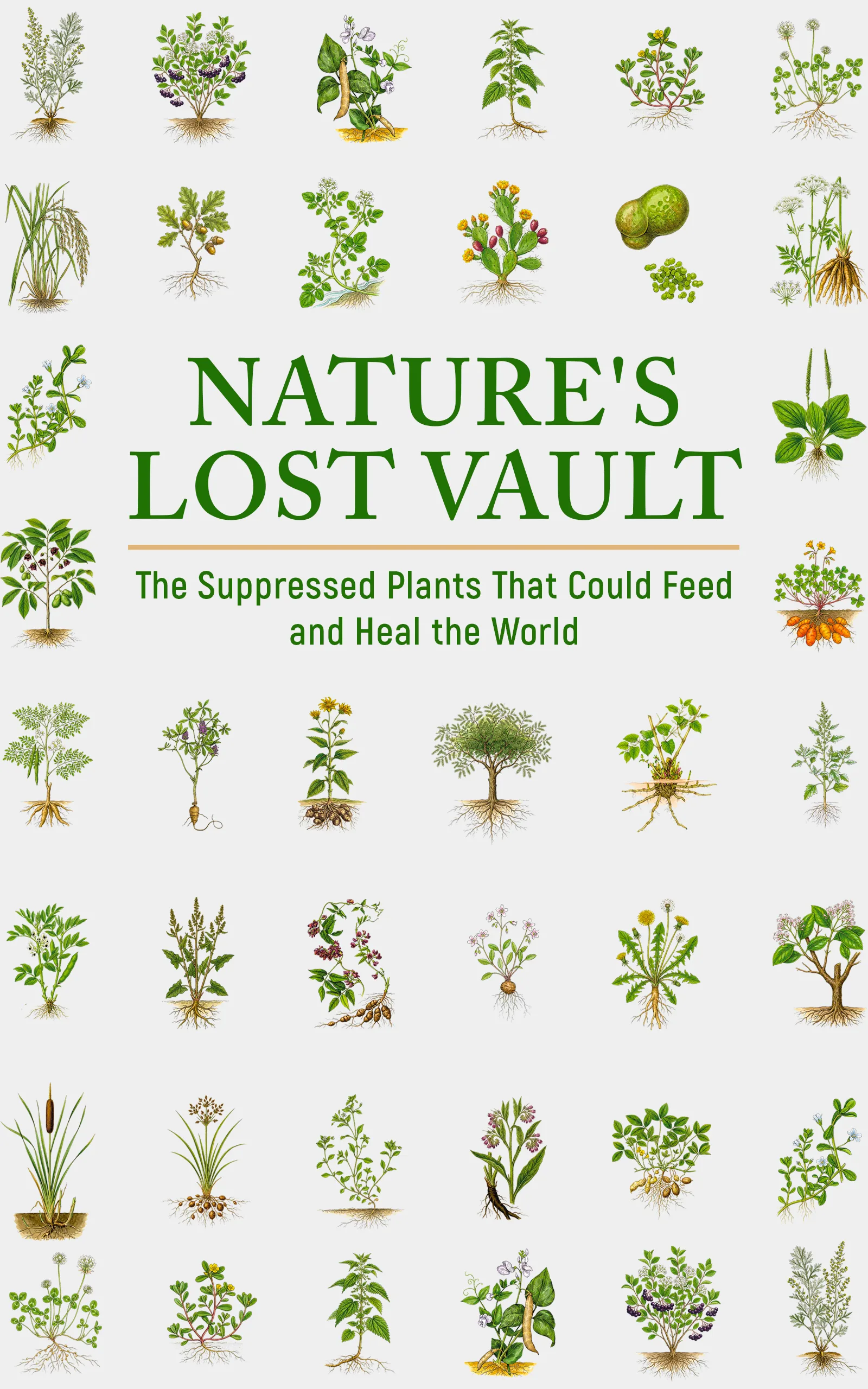
Nature's Lost Vault Book Cover

Now available

35 Forgotten Plants That Once Fed Nations, Rediscovered

A documented inquiry into what was erased from history, and how you can reclaim it.

📚 35 Research Chapters 🔬 500+ Verified Sources 🎨 Photos & Botanical Art 📱 From $24
Explore the Book →

Explore Our Collections

Survival Foods

Calorie-dense staples and nutrient-rich plants that sustained civilizations through hardship

Medicinal Plants

Therapeutic plants with documented properties for physical and mental health

Perennial Foods

Plant once, harvest for decades—permanent food sources requiring no annual replanting

Building & Construction

Forgotten building materials and traditional construction techniques, from Roman concrete to rammed earth

Browse by Category

Staple Foods Roots & Tubers Leafy Greens Medicinal Plants Fruits

Latest Discoveries

Episode 150 Staghorn Sumac Thumbnail
Medicinal Plants

Tastes Like Lemonade. Loaded With Vitamin C. People Destroy It Thinking It's Poison. Why?

Staghorn sumac (Rhus typhina) is the wild American shrub whose deep red upright cones taste like cold lemonade off the branch, loaded with vitamin C, and grind into the same tart ruby-red spice sold in Middle Eastern za'atar. Cherokee, Ojibwe, and Iroquois nations soaked the cones for "Indian lemonade." John Parkinson listed it as a prized ornamental in 1629 English gardens. Mowed down across America over a mistaken-identity confusion with the unrelated swamp-only poison sumac.

Episode 148 Goldenrod Thumbnail
Medicinal Plants

The Healing Plant They Turned Into a Weed: Why They Blame It for Your Allergies Instead

Goldenrod (Solidago) is the bright yellow plant Germany's Commission E and the European Medicines Agency approve as a regulated urinary and anti-inflammatory medicine. Goldenrod's pollen is too heavy to fly - the real culprit blooming alongside it is wind-pollinated ragweed. A 53-patient EMA study saw close to 65% improve on goldenrod extract. Solidago means "to make whole."

Episode 139 California Poppy Thumbnail
Medicinal Plants

The Painkiller You Can Grow for Free. Sold in 1890, Gone by 1939. What Happened?

California poppy (Eschscholzia californica) is the orange wildflower in the opium-poppy family that carries no morphine - only GABA-active alkaloids that ease pain, anxiety, and sleep without dependence. Parke-Davis sold it in 1890 as "an excellent soporific and analgesic, and above all, harmless." Health Canada permits it today as a mild sedative and chronic-pain aid.

Episode 137 Self-Heal Thumbnail
Medicinal Plants

It Grows in Your Lawn. It Beats a Virus Drugs Can't. Why Were Doctors Taught to Ignore It?

Self-heal (Prunella vulgaris) is the square-stemmed lawn weed John Gerard in 1597 said was the best wound-herb in the world. Chinese pharmacies still sell it as Xia Ku Cao. A 2004 Journal of Ethnopharmacology study showed it inhibits herpes simplex - including the acyclovir-resistant strains the standard prescription has stopped killing. A 1990 clinical report cured 38 of 78 herpes-eye patients.

Episode 135 Motherwort Thumbnail
Medicinal Plants

It Calmed the Nerves and Steadied the Pulse for 2,000 Years. So Why Can't You Buy It?

Motherwort (Leonurus cardiaca) is the square-stemmed mint Linnaeus named "of the heart" in 1753. Culpeper in 1653 said it made a "cheerful soul." The 1898 King's American Dispensatory listed it as a heart and nerve tonic. A 2011 Phytotherapy Research clinical trial confirmed it calms blood pressure, anxiety, and insomnia - and the active compound leonurine widens blood vessels.