They Live to 100 Without Medicine: Why Don't You Know About These 5 Plants?
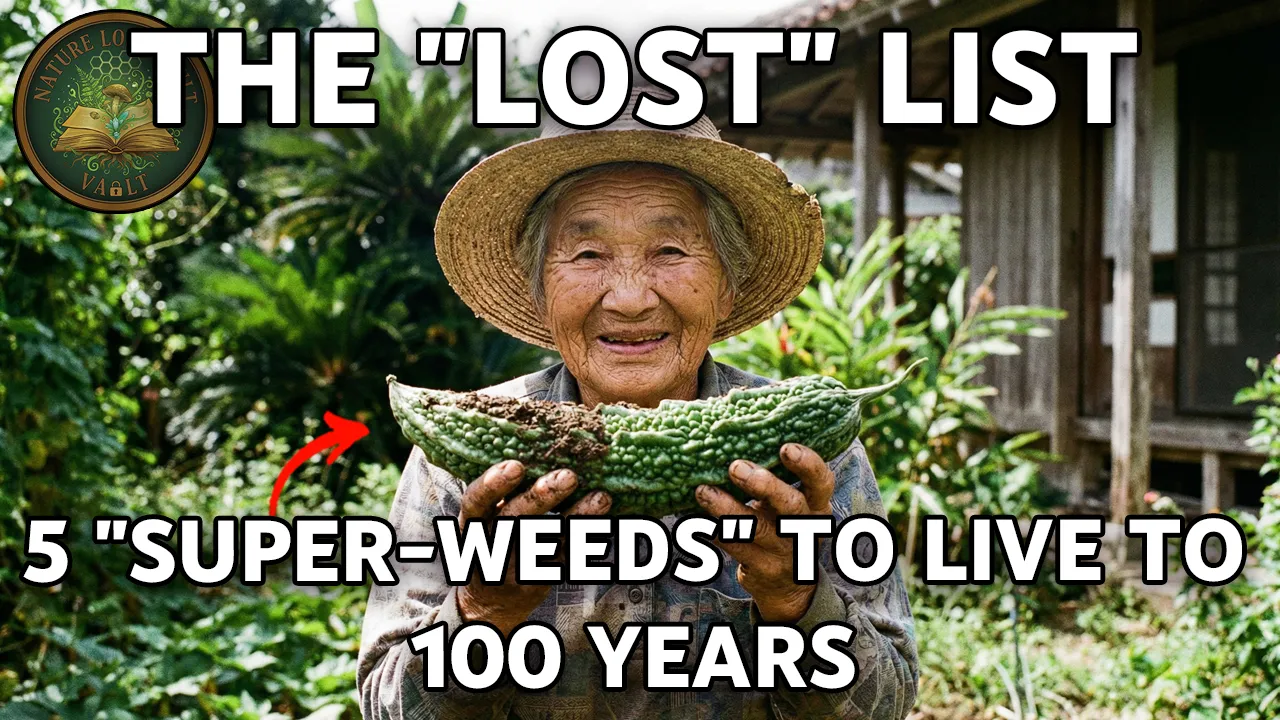
Table of Contents
- The Island Where Living to 100 Is Normal
- Beniimo: The Purple Sweet Potato That Outperforms Vitamin C
- Ukon: The Spice That Binds to Alzheimer's Plaques
- Goya: The Bitter Melon as Powerful as Pharmaceuticals
- Mozuku: The Seaweed That Rewires Your Gut
- Ashitaba: Tomorrow's Leaf and the Autophagy Breakthrough
- Why Every One of These Plants Is Underfunded
- How to Access These Plants Today
The Island Where Living to 100 Is Normal
You have been told that living to 100 is a genetic lottery. That longevity treatments are reserved for billionaires with private doctors and experimental clinics. While Silicon Valley spends billions chasing longevity molecules in laboratories, there is an island where ordinary people, farmers, fishermen, and shopkeepers, routinely live past 100. Not 10 per 100,000 like most of the industrialized world. Fifty. Okinawa, Japan.
This is a place where you are eight times less likely to die from a heart attack, seven times less likely to develop cancer, and where people stay functionally independent until their mid-90s. They are not doing it with gene therapy or stem cell injections. They are doing it with five plants. And this is not genetics. Okinawans who moved to Brazil or Hawaii lost this longevity advantage within a single generation. Same genes, different food, shorter lives.
Beniimo: The Purple Sweet Potato That Outperforms Vitamin C
In the 1600s, typhoons regularly devastated Okinawa's crops. Rice paddies flooded. Vegetables were destroyed. But this purple root growing deep underground in volcanic soil survived. It became the difference between famine and life. It once provided nearly 70% of all calories consumed by Okinawan centenarians.
Studies at Kanazawa University found that anthocyanins from the Okinawan Ayamurasaki cultivar showed stronger radical scavenging activity than grape skin, red cabbage, elderberry, purple corn, and even pure vitamin C. These compounds activate NRF2-mediated enzymes which tell your body to build its own defense system. Research published in the Journal of Food Science and Nutrition showed they regulate glucose metabolism, increase insulin sensitivity, and protect the pancreas, liver, brain, and muscles from oxidative damage. The glycemic index is just 44, compared to 70 for white potatoes.
Ukon: The Spice That Binds to Alzheimer's Plaques
Go Shinzato lived to 104. When researchers from the Okinawa Centenarian Study asked what she ate, turmeric was on the list. Not as a pill. As food, daily. The active compound curcumin has been used in Ayurvedic medicine for over 2,000 years. Curcumin binds directly to amyloid-beta plaques, preventing them from assembling into the neurotoxic species that kill neurons. It reduces tau phosphorylation, scavenges free radicals, and reduces neuroinflammation.
India, where curcumin is a daily staple, has significantly lower Alzheimer's prevalence than western countries. Human clinical trials using up to 8,000 mg per day for three months found no toxicity. Compare that to the newly approved Alzheimer's drug aducanumab, which costs tens of thousands of dollars per year, clears amyloid plaques but shows no clinical benefit, and comes with severe side effects. There are over 1,000 published studies on curcumin, yet human clinical trials are often designed to fail by using standard formulations the body struggles to absorb.
Goya: The Bitter Melon as Powerful as Pharmaceuticals
Blue Zones researcher Dan Buettner described bitter melon as the national dish and cornerstone of the Okinawan diet. Centenarians consume it several times a week. The active compounds are structurally similar to human insulin. They act as a key that unlocks cells, allowing them to absorb glucose from the blood. Multiple clinical trials show an average reduction of 34 mg/dL in post-meal blood sugar.
Buettner summarized the data simply: recent studies found bitter melon an effective anti-diabetic, as powerful as pharmaceuticals. The global diabetes drug market is worth $88 billion as of 2024, projected to reach $234 billion by 2032. The industry has zero incentive to prove that a garden vegetable can achieve similar results.
Mozuku: The Seaweed That Rewires Your Gut
99% of Japan's mozuku comes from Okinawa. It contains fucoidan, one of the most studied marine compounds in existence. Japanese studies show that people who regularly consume seaweed develop different gut bacteria, acquiring specific enzymes from marine bacteria that allow them to digest and absorb these compounds more efficiently. A 2018 study found that urinary fucoidan excretion was significantly higher in Okinawan residents than in Japanese people living elsewhere.
Fucoidan mitigates the damage from antibiotics, increases beneficial bacteria like Faecalibacterium prausnitzii, reduces inflammation markers, and shows antiviral and anti-tumor properties. There are currently only two active clinical trials on fucoidan. Compare that to the billions spent developing synthetic immune modulators.
Ashitaba: Tomorrow's Leaf and the Autophagy Breakthrough
Its name means "tomorrow's leaf" because if you pick a leaf today, a new one grows by tomorrow. In 2019, researchers at Graz University of Technology tested 180 compounds for their ability to activate autophagy, the cell's internal cleanup process. One compound stood out: 4,4'-dimethoxychalcone (DMC), found in ashitaba.
DMC induced autophagy in human cells, yeast, worms, and fruit flies. It extended lifespan in all test organisms by measurable margins. The research was published in Nature Communications, one of the world's most prestigious journals, with clear mechanistic data. But the pharmaceutical pipeline remains empty. Ashitaba grows wild. DMC is natural. You cannot obtain an exclusive license on a weed.
Why Every One of These Plants Is Underfunded
Five plants, one island, the longest-lived population on Earth. Each plant has been studied. Each shows pharmaceutical-level effects: diabetes regulation, Alzheimer's prevention, cellular cleanup, gut health, and anti-inflammatory action. And each has been systematically underfunded because the solution grows in the ground, not in a lab. You cannot patent what an island has been eating for 400 years.
How to Access These Plants Today
You do not need their volcanic soil. You need their plants. Ashitaba grows from seed in temperate climates or is available as a supplement. Purple sweet potatoes are available at specialty grocers; look for the beniimo variety. Turmeric is everywhere; pair it with black pepper to unlock 2,000% greater bioavailability. Bitter melon and mozuku are waiting in Asian markets and specialty food stores.
Longevity is not a luxury reserved for billionaires. It is not a pharmaceutical breakthrough waiting to be patented. It is growing in the garden. It is harvested from the sea. It has been available for 400 years.
Explore More Medicinal Plants
Discover forgotten remedies backed by centuries of traditional use and modern research.
Browse Medicinal Plants Collection →