Survival Foods Medicinal Plants Perennial Foods

The Vault Library

Browse our collection of forgotten plants and lost knowledge organized into 5 categories. Each category contains documented episodes exploring the plants they tried to erase.

Staple Foods

Staple Foods

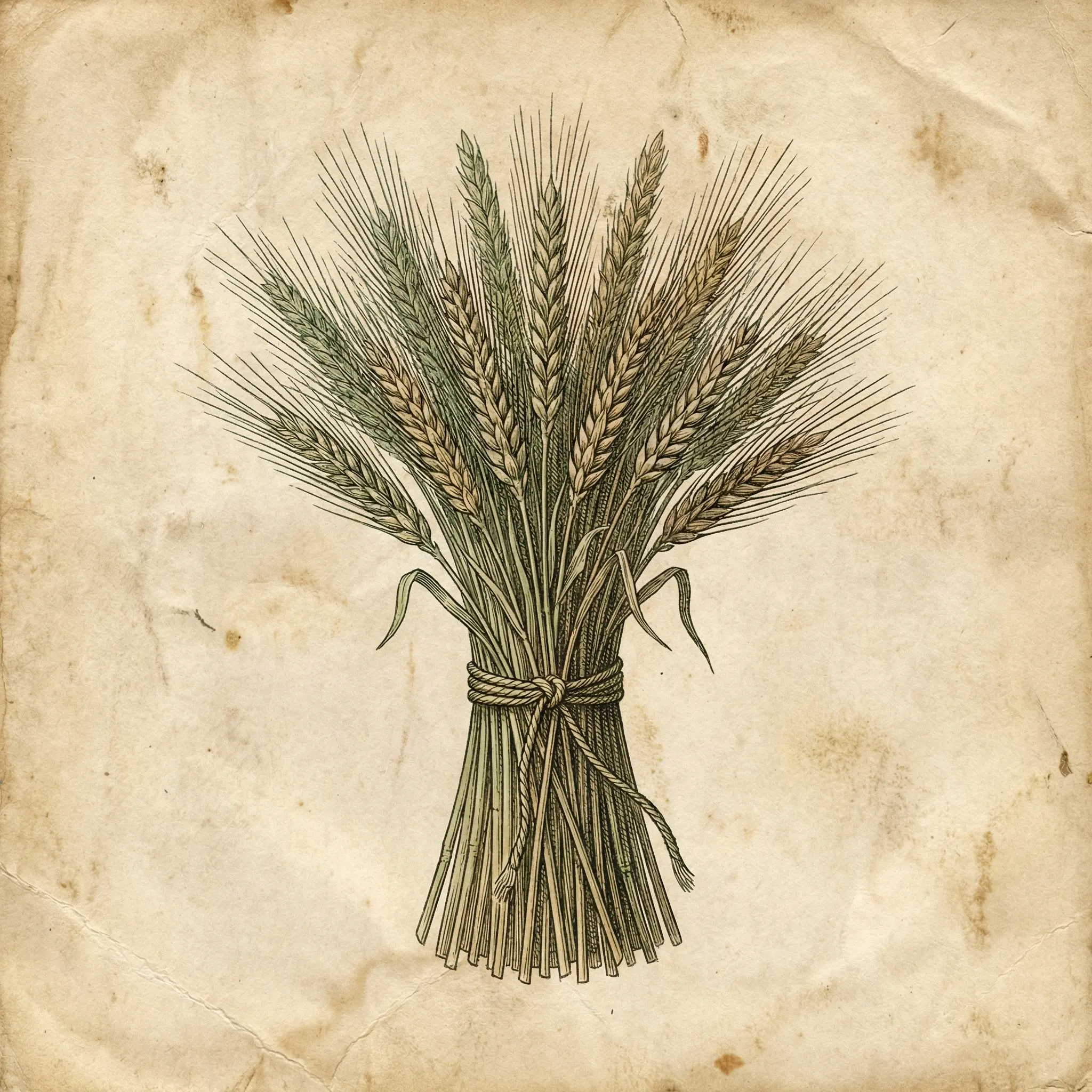
Staple foods are plants societies relied upon for daily calories and energy across generations. These crops sustained populations through all seasons, forming the nutritional foundation of civilizations. Unlike supplemental or seasonal foods, staples were selected for their ability to produce reliable yields, store well, and provide concentrated calories. This collection documents traditional staple crops that once fed millions but have largely disappeared from modern agriculture.

See Chapters →
Roots & Tubers

Roots & Tubers

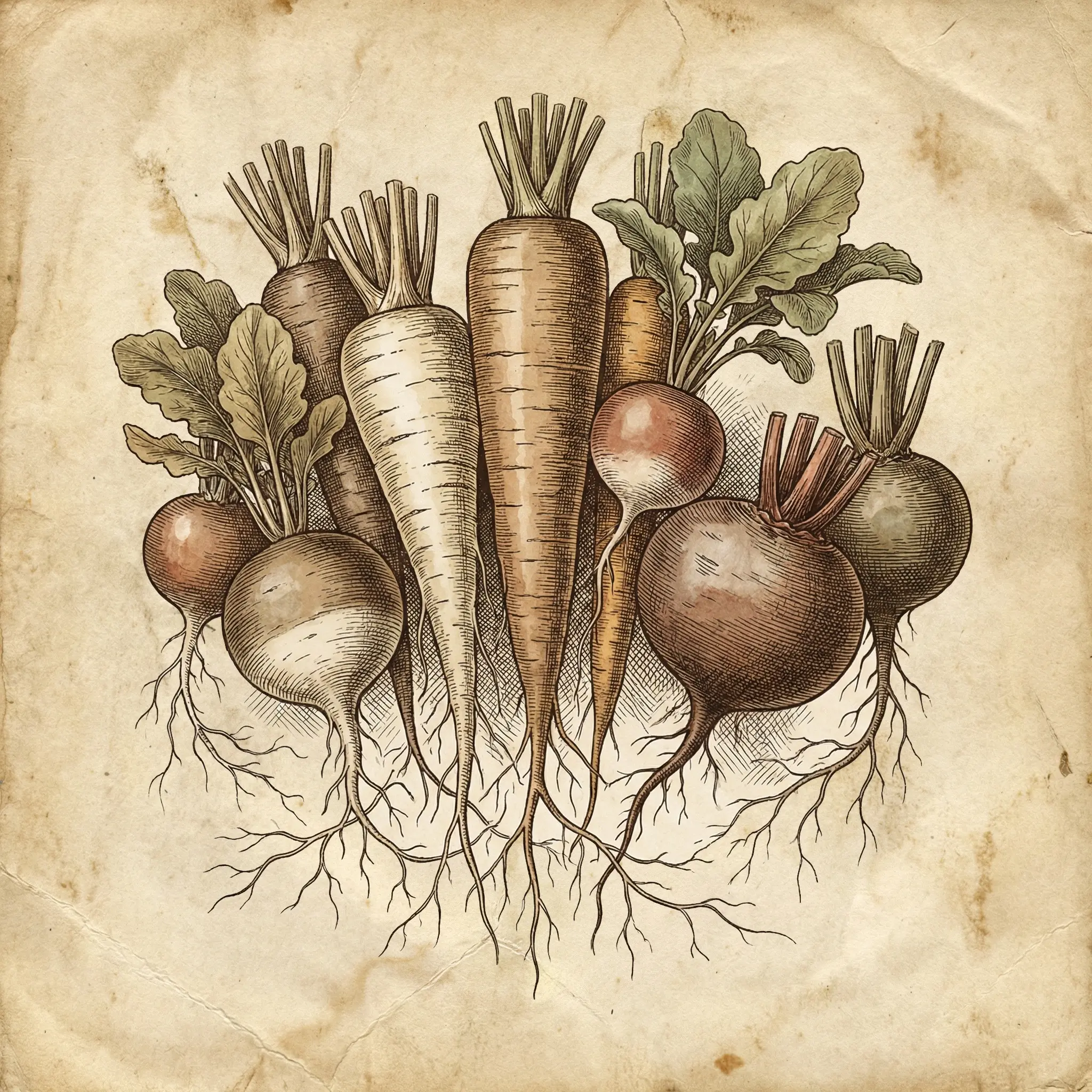
Roots and tubers are underground storage organs that provided food security during lean seasons and harsh winters. These plants store concentrated carbohydrates below ground, protecting calories from weather, pests, and seasonal fluctuations. Many root crops can remain viable underground for months, harvested only when needed. This category includes plants eaten primarily for subsistence rather than culinary preference, valued for reliability over flavor.

See Chapters →
Leafy Greens

Leafy Greens

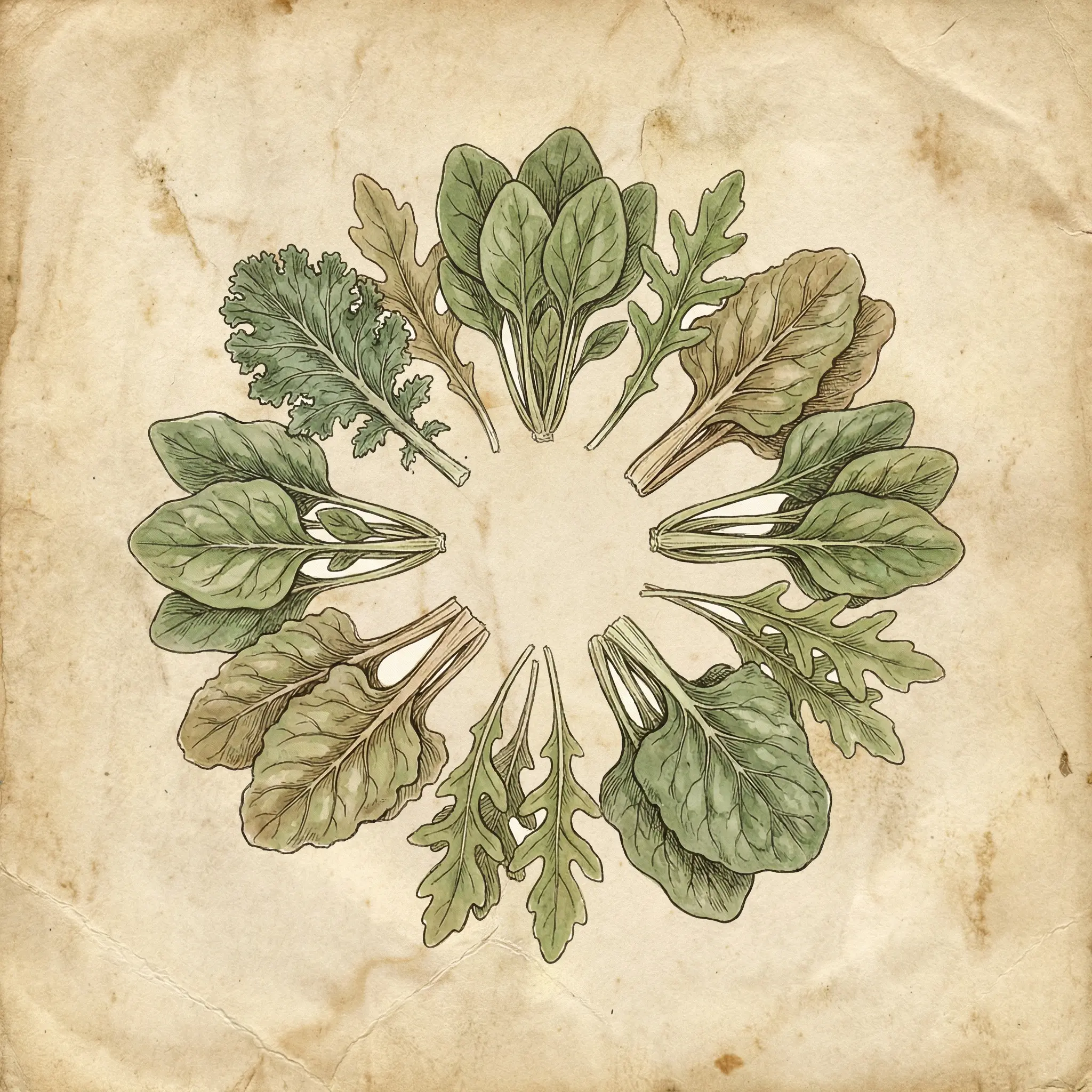
Leafy greens are plants consumed regularly for daily nutrition and micronutrients rather than caloric sustenance. These vegetables provide vitamins, minerals, and phytonutrients absent from starchy staples. Many leafy greens grow quickly, regenerate after harvest, and thrive in marginal conditions unsuitable for grain crops. This category encompasses both cultivated vegetables and foraged wild plants that communities incorporated into regular eating patterns, valued for nutritional contribution to daily meals.

See Chapters →
Medicinal Plants

Medicinal Plants

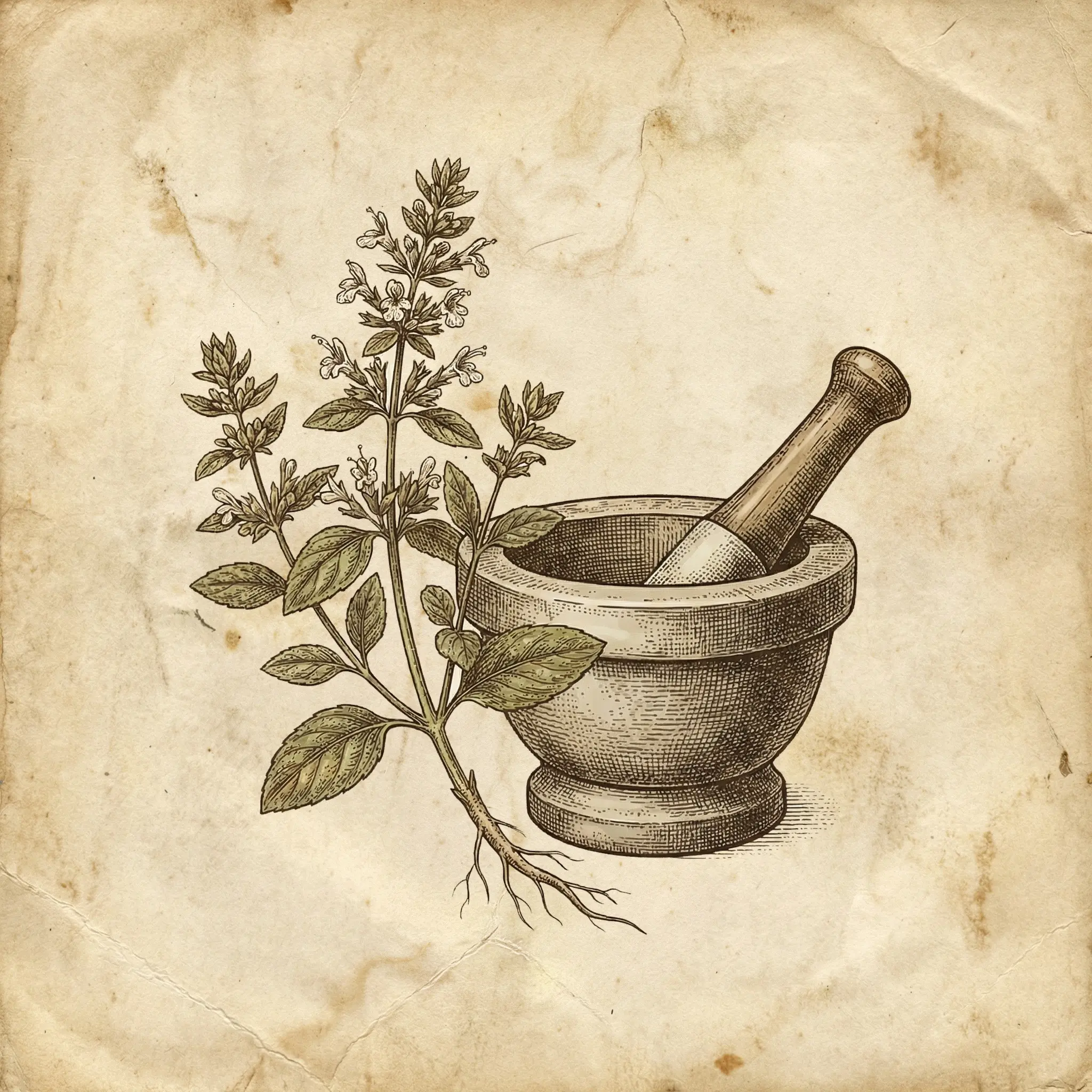
Medicinal plants are species used primarily for therapeutic and physiological effects rather than nutrition. These plants contain bioactive compounds that produce measurable changes in human body systems. Traditional medical systems across cultures preserved knowledge of medicinal plants through centuries of observation and use. This category includes plants with documented effects on inflammation, infection, pain, cognition, and metabolic function, representing species valued for pharmacological properties rather than caloric content.

See Chapters →
Fruits

Fruits

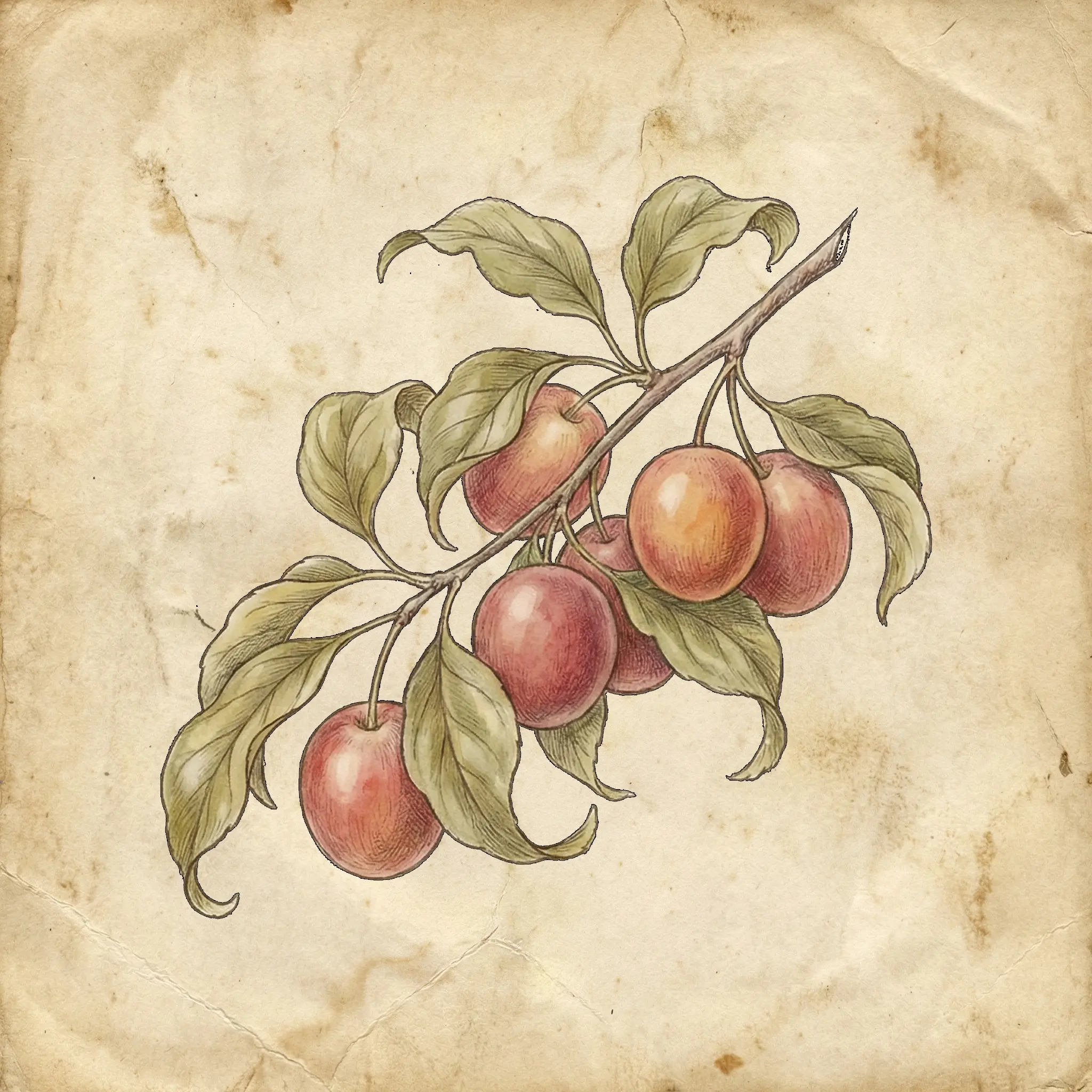
Fruits are sweet, seasonal foods consumed primarily fresh rather than processed into staple foods. While many fruits can be preserved, their historical role was fresh consumption during harvest seasons. This category distinguishes between plants eaten as seasonal supplements versus those processed into year-round staples. Fruit-bearing plants often required years to establish and produced crops during limited windows, valued for palatability and seasonal nutrition rather than sustained calorie provision.

See Chapters →