Survival Foods Medicinal Plants Perennial Foods Building

Medicinal Plants

Medicinal plants contain bioactive compounds that produce measurable physiological effects on human health. Traditional healing systems across cultures documented which plants treated specific conditions, recording preparation methods and dosages through generations. Modern clinical trials have validated numerous traditional remedies with effects comparable to synthetic pharmaceuticals. This collection focuses on plants with documented clinical evidence or extensive historical use, representing accumulated medical knowledge preserved across healing traditions worldwide.
Cognitive Enhancement & Mental Health

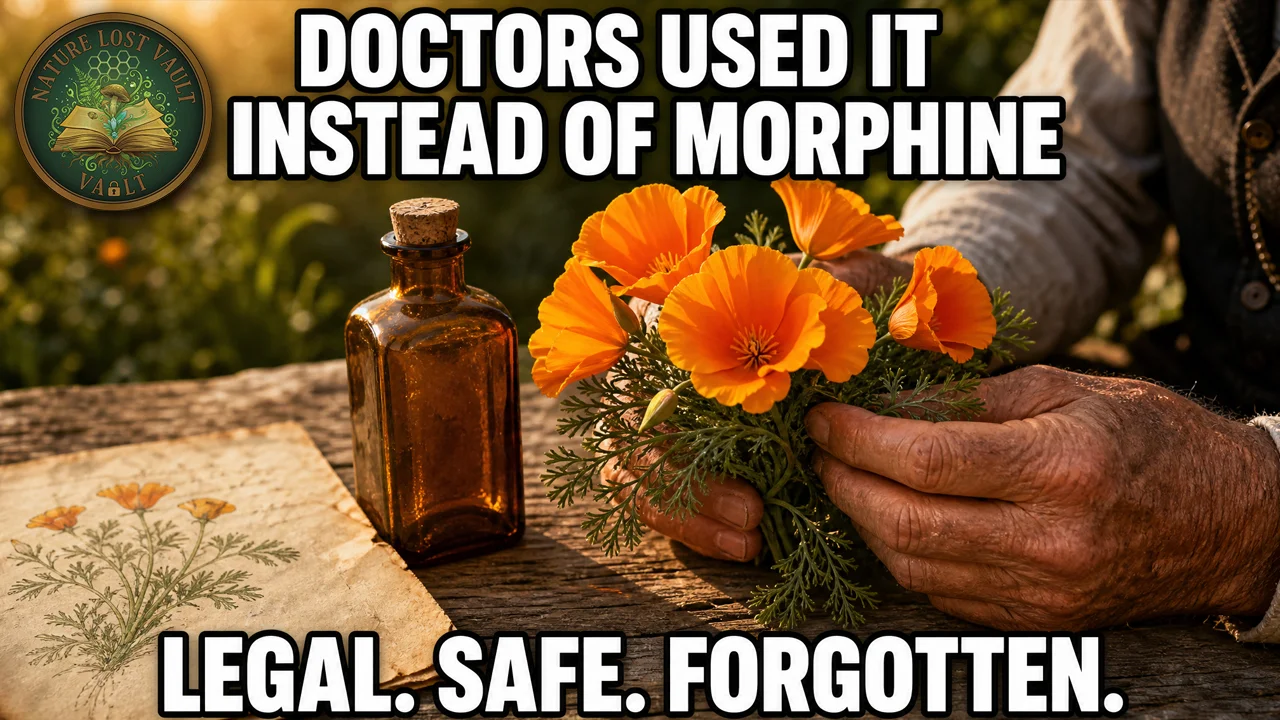
California poppy - the non-addictive painkiller Parke-Davis sold in 1890
California Poppy

The Painkiller You Can Grow for Free. Sold in 1890, Gone by 1939. What Happened?

California poppy (Eschscholzia californica) is the orange wildflower in the opium-poppy family that carries no morphine - only GABA-active alkaloids that ease pain, anxiety, and sleep without dependence. Parke-Davis sold it in 1890 as a soporific and analgesic. The 1910 Flexner Report and the 1939 closure of the last Eclectic medical college erased it. Health Canada now permits it as a mild sedative and chronic-pain aid.

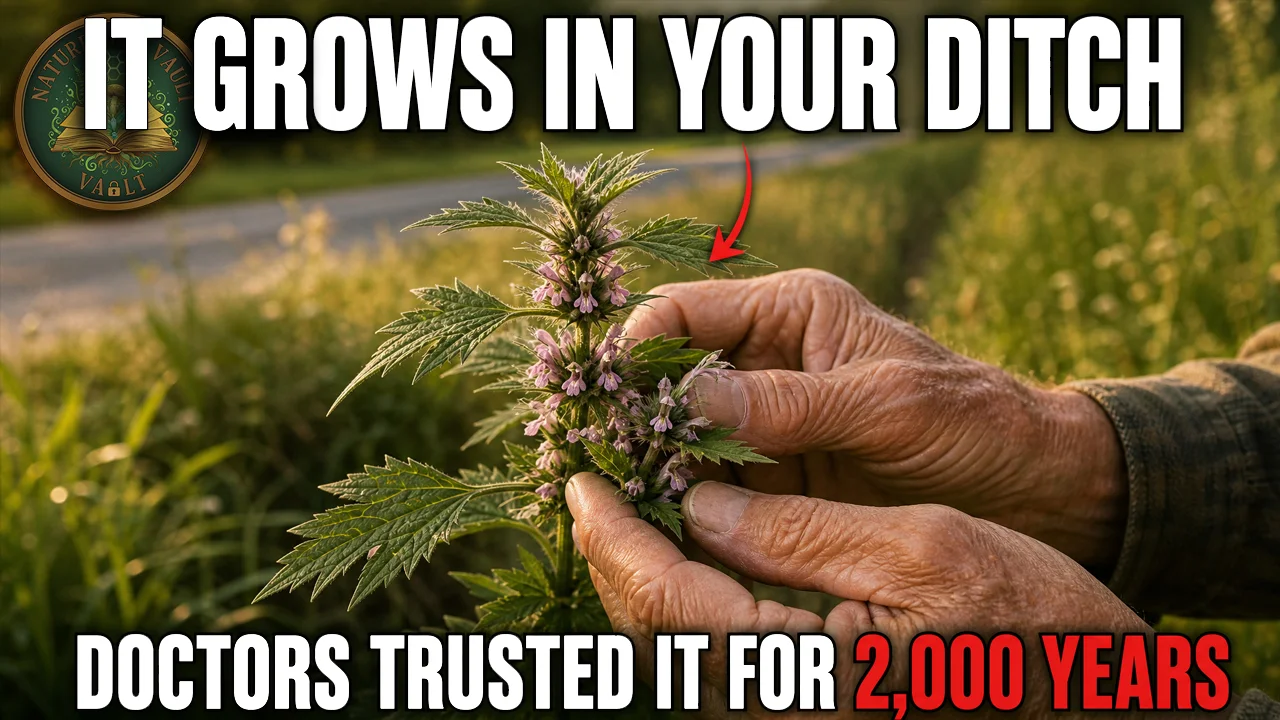
Motherwort - the 'of the heart' plant Linnaeus named in 1753
Motherwort

It Calmed the Nerves and Steadied the Pulse for 2,000 Years. So Why Can't You Buy It?

Linnaeus named it "of the heart" (Leonurus cardiaca) in 1753. Culpeper in 1653 said it made a "cheerful soul." The 1898 King's American Dispensatory listed it as a heart and nerve tonic. After Sydney Smith's 1930 digoxin and the 1910 Flexner Report erased it, a 2011 Phytotherapy Research trial confirmed it calms blood pressure, anxiety, and sleep.

Immune Support & Infection Defense

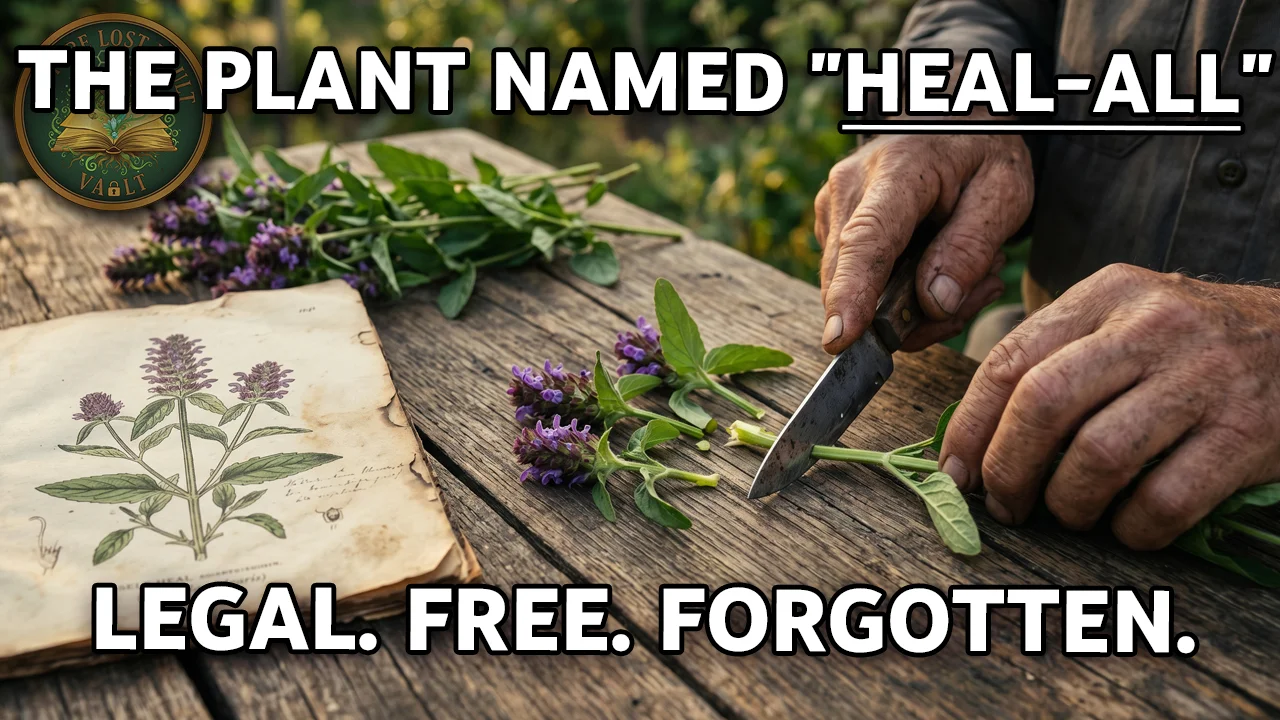
Self-heal (Prunella vulgaris) - the lawn weed that beats acyclovir-resistant herpes
Self-Heal

It Grows in Your Lawn. It Beats a Virus Drugs Can't. Why Were Doctors Taught to Ignore It?

Self-heal (Prunella vulgaris) is the square-stemmed lawn weed John Gerard in 1597 called the best wound-herb in the world. Chinese pharmacies still sell it as Xia Ku Cao. A 2004 Journal of Ethnopharmacology study showed its extract inhibits herpes simplex - including the acyclovir-resistant strains the standard prescription has stopped killing. A 1990 clinical report cured 38 of 78 herpes-eye patients.

Pain Relief & Physical Recovery

Blood Sugar & Metabolic Health