
Mycelium Composites: Fireproof, Stronger Than Concrete, and NASA Chose It for the Moon
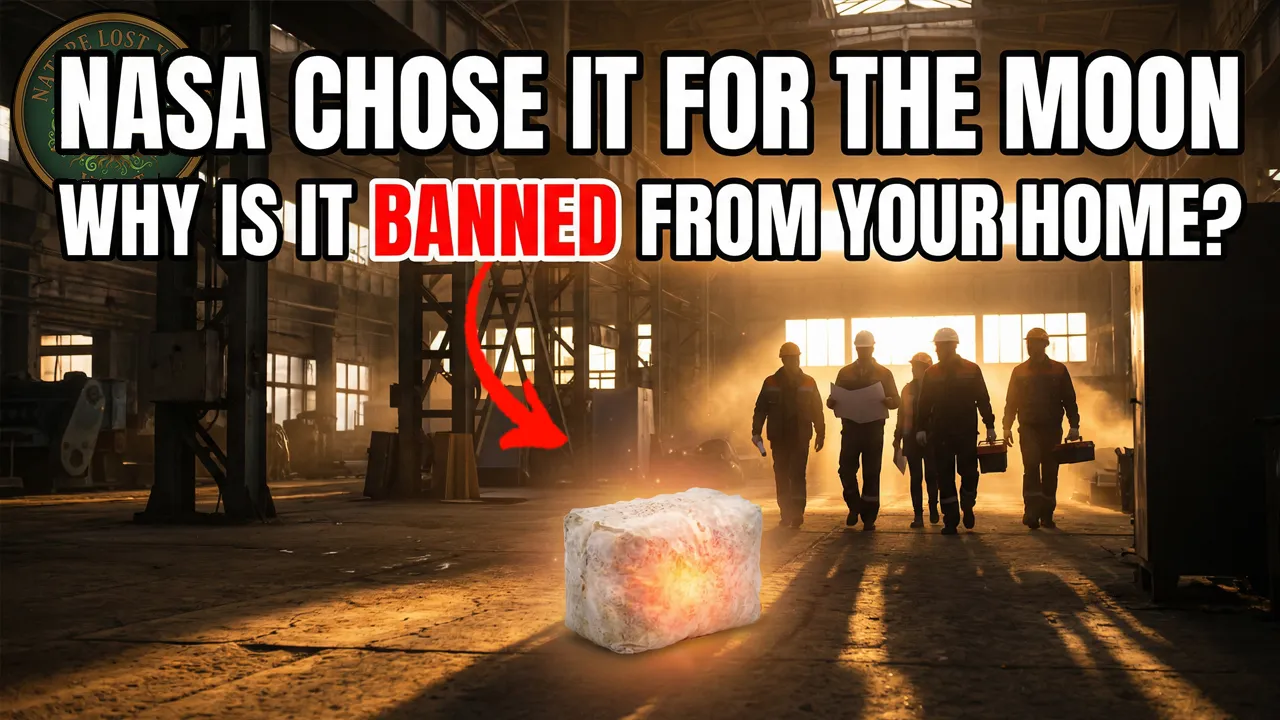
Table of Contents
Grown Under a Dorm Room Bed
In 2007, engineering student Eben Bayer at Rensselaer Polytechnic Institute grew a solid block of compressed agricultural waste bound together entirely by the root threads of a mushroom under his dorm room bed. This is mycelium, the vast underground network that has held forest soil together for 400 million years. The material grew at room temperature, required zero electricity, zero chemical inputs, zero petroleum. It literally ate hemp stalks, corn husks, and sawdust, the exact waste streams farms usually pay to dispose of. In seven days, this fungus produced a rigid, moldable, fireproof composite.
The Problem With Polystyrene
Polystyrene was invented in 1839 and commercially produced since 1931. It takes 450 years to decompose and never fully breaks down. Every piece ever manufactured still exists somewhere on this planet. It releases styrene, a probable human carcinogen. It fragments into microplastics found in human blood, breast milk, and the deepest ocean trenches. By volume, it is the single most common material in landfills worldwide.
Mycelium composites decompose in 45 days in a backyard compost pile. They sequester carbon during growth. They require 90% less water and 40% less electricity to produce. Polystyrene melts at 240 degrees and releases toxic hydrogen cyanide gas. Mycelium chars. It does not melt. It does not release toxins.
From Dell to IKEA to NASA
By 2011, Dell began shipping servers in mycelium packaging. By 2014, a 40-foot tower built entirely from mycelium bricks was displayed at the Museum of Modern Art in New York. By 2020, IKEA committed to replacing all polystyrene packaging with mycelium. In June 2024, NASA awarded a $2 million grant to the Myco-Architecture project. Senior researcher Lynn Rothschild described the strategy: astronauts would carry dormant fungi, activate them with water, and grow their homes upon arrival on the Moon or Mars.
The Certification Wall
To be used in residential construction, a material must be certified under ASTM standards. ASTM has maintained polystyrene foam insulation standards since 1958. Mycelium composites have no equivalent ASTM certification. Without certification, builders cannot legally use them. Insurance companies will not cover structures built with uncertified materials. The wall protecting polystyrene is not made of science. It is made of paperwork written by the industry that profits from keeping it exactly as it is.
$200 Million in Lobbying
The American Chemistry Council, representing Dow, DuPont, ExxonMobil, and Chevron, reported nearly $200 million in federal lobbying against plastic reduction legislation between 2020 and 2021 alone. In New York State in 2024, they spent $930,000 fighting a single packaging reduction bill. Polystyrene packaging is a $28 billion industry. Polystyrene insulation in construction is a $12 billion market.
Lighter Than Concrete, Stronger Per Pound
A cubic meter of concrete weighs 2,400 kilograms. A cubic meter of mycelium brick weighs 43 kilograms. Pound for pound, the mycelium brick is stronger. It provides the same thermal insulation as expanded polystyrene. It absorbs sound naturally and contains zero volatile organic compounds, no formaldehyde binders, none of the off-gassing chemicals that accumulate inside sealed modern homes.
Growing Building Materials in Your Garage
In 2014, Ecovative launched grow-it-yourself kits. Mix the fungal culture with agricultural waste, pack it into a mold, let it sit in the dark for 5 days, then bake it to harden. What you pull out is fireproof, insulating, and fully compostable. No factory, no supply chain, no corporate permission required. The process is ungovernable. Mycelium grows wherever organic matter exists.
The $8,000 House in Namibia
In 2024, the nonprofit MicoHab completed a fully insulated, fire-resistant demonstration house in Namibia. The bricks were grown from local invasive acacia trees. Total construction cost was $8,000. Built without a single gram of polystyrene and without a single sheet of formaldehyde-soaked plywood.
The material is not missing. The knowledge is not lost. The only thing missing is the permission of an industry that demands you keep buying their toxic foam. The mycelium does not need that permission either. It has been growing beneath the earth since before the first forest existed. It is the only construction material on Earth that NASA decided was worth taking to the stars.
Explore More Building & Construction
Discover forgotten techniques that built civilizations for millennia.
Browse Collection →